
Wind Energy
South Dakota’s vast, open landscapes make it one of the top states for wind energy generation, with 29 wind projects producing a total capacity of 3,476 MW. From early projects like the Chamberlain Wind Project (2.6 MW) in 2001 to more recent installations such as Sweetland Wind (198.8 MW) and North Bend Wind (200.2 MW) in 2023, wind energy has consistently driven economic growth and provided jobs across the state.
Key wind projects include:
These wind farms collectively power over two million homes and continue to position South Dakota as a national leader in renewable wind energy. Learn more about South Dakota’s wind energy projects here.

BioFuels
South Dakota is a critical player in the biofuels industry, producing ethanol, sustainable aviation fuel, and biodiesel. Facilities like the GEVO Plant support the production of sustainable fuels, advancing the state’s role in the renewable fuel market. These biofuel projects reduce carbon emissions and create new economic opportunities for rural areas, benefiting both the agricultural sector and the environment.
Hydrogen Fuel
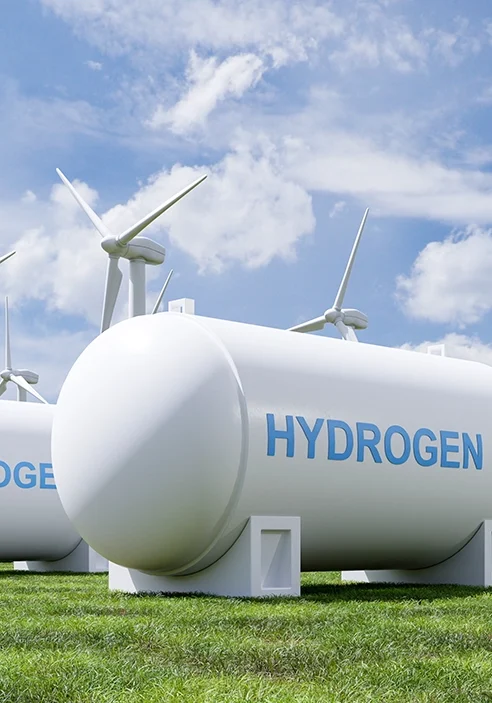
The Dakota Renewable Hydrogen Project, developed in partnership with the GEVO Plant, represents a pioneering effort to produce clean hydrogen fuel in South Dakota. As hydrogen technology evolves, this project will play a critical role in demonstrating hydrogen’s potential to support a clean energy future and integrate with other renewable energy sources.
Renewable Natural Gas
Renewable natural gas (RNG) captures methane that would otherwise escape into the atmosphere and puts it to work. Organic waste — dairy manure, landfill waste, food processing byproducts — is broken down in sealed anaerobic digesters, and the biogas produced is cleaned and upgraded until it meets pipeline standards. From there it travels through the same natural gas infrastructure that already serves homes and businesses across the region.
South Dakota is unusually well positioned for this industry.
The state’s growing dairy sector produces a steady, concentrated supply of feedstock, and much of that production sits near existing pipeline routes. Over the past several years, digester projects have come online across eastern South Dakota, representing more than $290 million in announced private investment and hundreds of millions of cubic feet of renewable gas each year.
The benefits reach well beyond energy. Producers gain a new revenue stream from a byproduct they already manage, along with improved nutrient management on the farm. Rural communities see construction and long-term operations jobs. And because methane is a far more potent greenhouse gas than carbon dioxide, capturing it at the source delivers an outsized climate benefit for every unit of energy produced.
Renewable natural gas is one of the clearest examples of South Dakota’s renewable energy advantage: an agricultural strength turned into an energy asset, using infrastructure that is already in the ground.
Solar Energy
Though still growing, solar energy has started to make its mark in South Dakota. Currently, the state hosts three solar projects with a combined capacity of 209 MW.
Key solar projects include:
Solar energy offers a sustainable solution that complements wind power, providing energy diversity and enhancing grid stability. Explore more about solar energy in South Dakota here.
Grid Storage
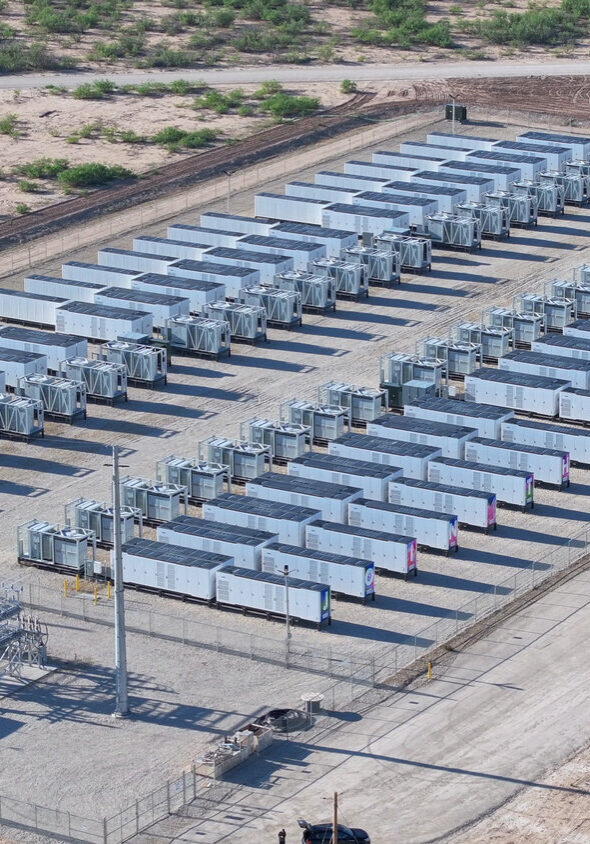
Grid storage solutions are essential for ensuring a reliable, resilient power grid in South Dakota. By storing excess energy generated by wind and solar, grid storage technology can balance supply and demand, reduce costs, and enhance the stability of the renewable energy grid. Grid storage also plays a crucial role in maximizing the efficiency and effectiveness of renewable energy sources.
Environmental Impact
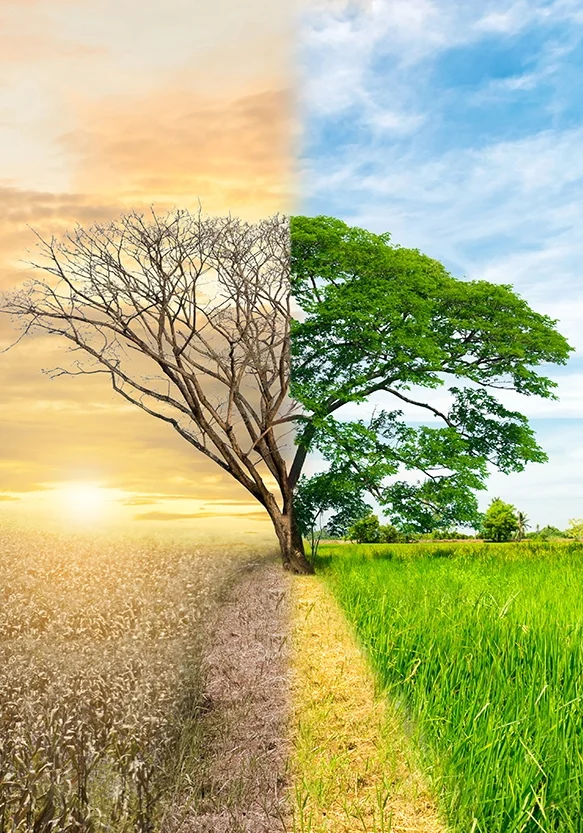
Renewable energy projects in South Dakota contribute significantly to environmental sustainability. Clean energy generation in the state has avoided over 10 million metric tons of CO₂ emissions—equivalent to removing more than 2.2 million cars from the road. Additionally, these projects save nearly 5 billion gallons of water annually, reinforcing the environmental value of renewable energy initiatives in South Dakota.